By 2026, the influence of K-pop on the luxury industry reflects a broader transformation in cultural and economic dynamics. Major European houses such as Dior, Louis Vuitton and Gucci are increasingly relying on Korean artists to strengthen their visibility and relevance among younger global audiences.
This shift is not merely a passing trend, but the result of a convergence between cultural influence, marketing strategy, and market realities.
Ambassadors at the Core of Brand Strategy
A Structured Cultural Influence
The rise of the Korean Wave (Hallyu) has significantly reshaped global influence channels. Groups such as BTS, Blackpink and Stray Kids command highly engaged international audiences.
Unlike traditional celebrity endorsements, K-pop idols operate within strong community-driven ecosystems. Their influence extends beyond visibility, as fans actively participate in promoting and consuming products associated with their favorite artists.
The Strategic Importance of the Korean Market
South Korea ranks among the world’s leading markets in terms of per capita luxury consumption. In this context, partnering with local ambassadors allows brands to build cultural proximity and credibility with consumers.
Featuring figures who are already embedded in the local media landscape enhances relatability and strengthens emotional engagement with the brand.
From Organic Influence to Strategic Partnerships
Even prior to formal collaborations, idols were already acting as trendsetters through public appearances. The so-called “airport look” phenomenon at Incheon International Airport demonstrates their ability to drive demand organically.
Luxury brands have since formalized this influence, transforming spontaneous visibility into structured partnerships.

Redefining Luxury Brand Identity
Collaborations That Shape Brand Image
Recent appearances illustrate how idols contribute to shaping brand identity. While no official figures have been disclosed, Jennie’s at Moncler’s Winter 2026 show generated significant media attention in Korea, illustrating once again the ability of K-pop idols to amplify brand visibility. In line with previous collaborations across the industry, such appearances primarily translate into heightened desirability and digital engagement rather than immediately measurable sales.

Evolving Representations and Aesthetic Codes
Beyond their marketing value, K-pop idols are contributing to a deeper transformation of aesthetic norms within the luxury industry. Their influence reflects a broader shift away from traditional, often Western-centric representations toward more fluid, hybrid, and globally resonant identities.
Historically, luxury fashion has relied on relatively fixed codes: clear distinctions between masculine and feminine silhouettes, Eurocentric beauty standards, and a certain distance between brand and audience. The growing presence of K-pop artists challenges these conventions on several levels.
K-pop idols often embody a form of aesthetic hybridity. Their styling frequently blends traditionally gendered elements without adhering strictly to binary frameworks. Figures such as Felix illustrate this evolution, but the phenomenon extends far beyond individual cases. It signals a broader acceptance of androgyny and fluid identity within mainstream luxury, not as a niche statement but as a commercially viable norm.Then, these artists contribute to a reconfiguration of beauty standards. Rather than conforming to historically dominant Western ideals, K-pop idols introduce alternative aesthetics rooted in Korean, and more broadly East Asian, visual culture. This includes different approaches to skin, proportions, styling, and expression. As these representations gain global visibility, they expand the visual vocabulary of luxury brands and make them more adaptable to diverse markets.

Measurable Economic Impact
Strong Media Performance
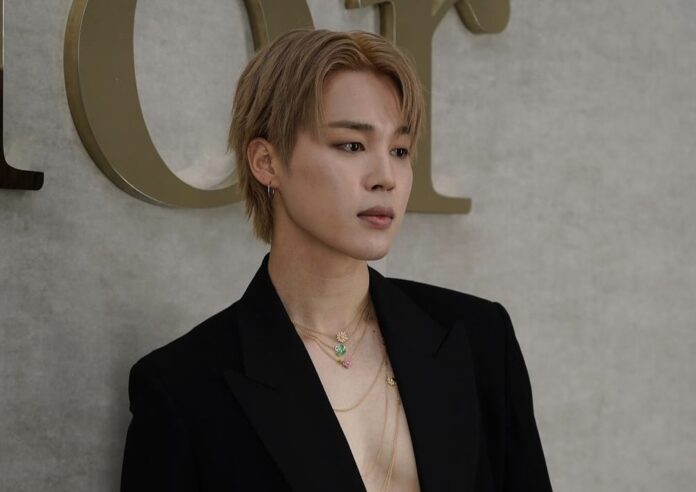
K-pop idols’ presence at Fashion Weeks generates significant media value. Appearances by members of BTS during the 2025–2026 seasons, for instance, generated tens of millions of dollars in earned media value. These results highlight the role of idols as visibility drivers, often rivaling traditional advertising campaigns.
Direct Impact on Brand Performance
Certain partnerships also have measurable financial effects. The case of V as ambassador for Celine is frequently cited in relation to significant growth in the brand’s performance in Korea.
More broadly, these collaborations enhance product desirability and accelerate their diffusion across international markets.

A Strategy of Targeted Segmentation
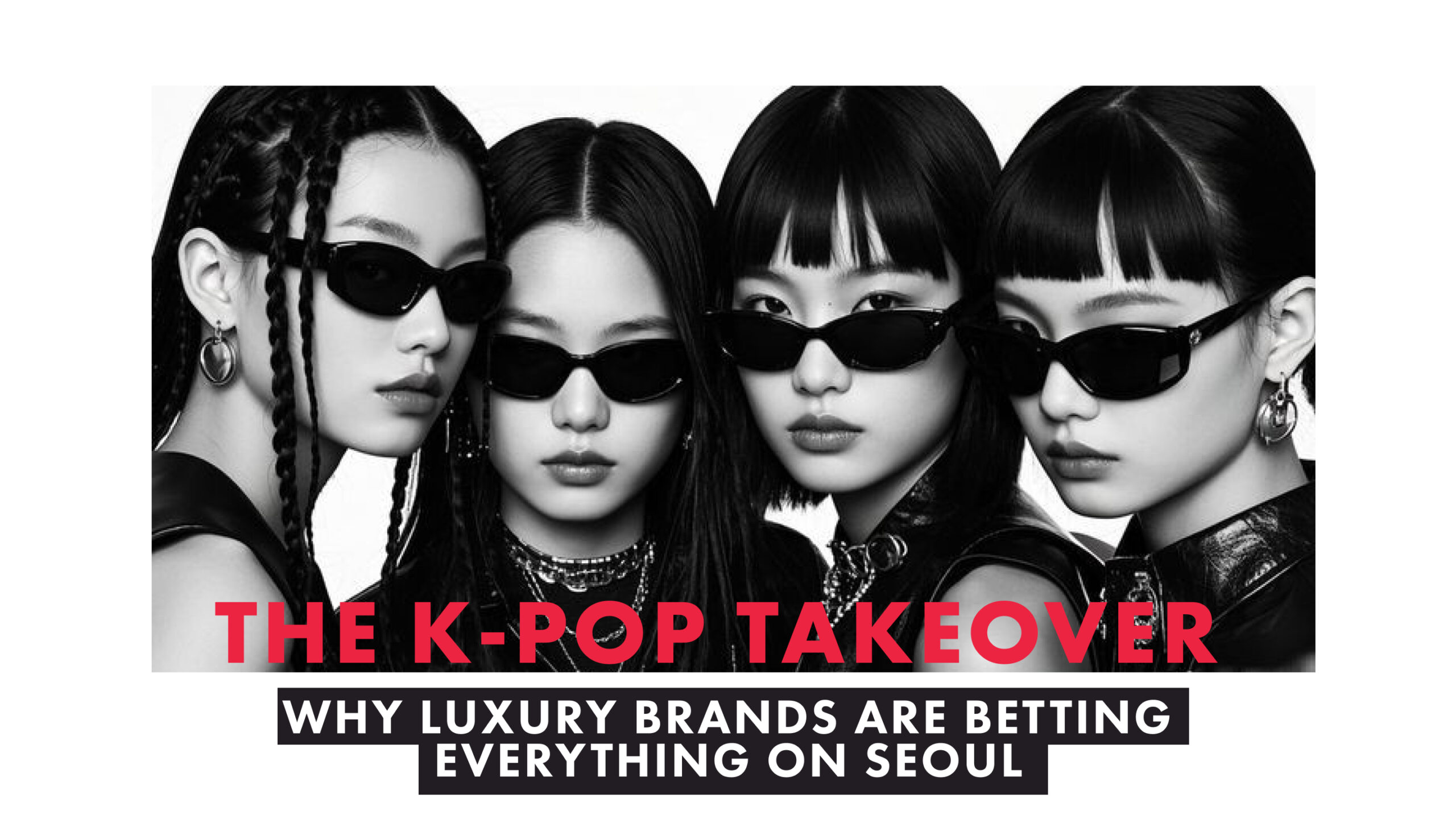
Luxury brands tend to favor individual partnerships rather than group endorsements. Usually, each member is associated with different houses based on their personal image and alignment with brand identity. SM’s girls group aespa is no exception to the rule: each member has a global ambassador contract with a luxury brand.
This approach enables each brand to target specific audience segments while maintaining a distinct positioning. It also reflects a nuanced understanding of fandom dynamics, where each member attracts a dedicated following.

Conclusion
The influence of K-pop on the luxury sector now extends beyond communication strategies. It contributes to a broader redefinition of brand identity, aesthetic standards, and geographic market dynamics.
Recent developments, such as the return of BTS with the Arirang project, further highlight the central role of these artists in contemporary cultural exchanges.
In this context, collaborations between luxury houses and Korean artists appear less as a trend than as a lasting structural evolution.