Inbound Tourism Surges, Led by China
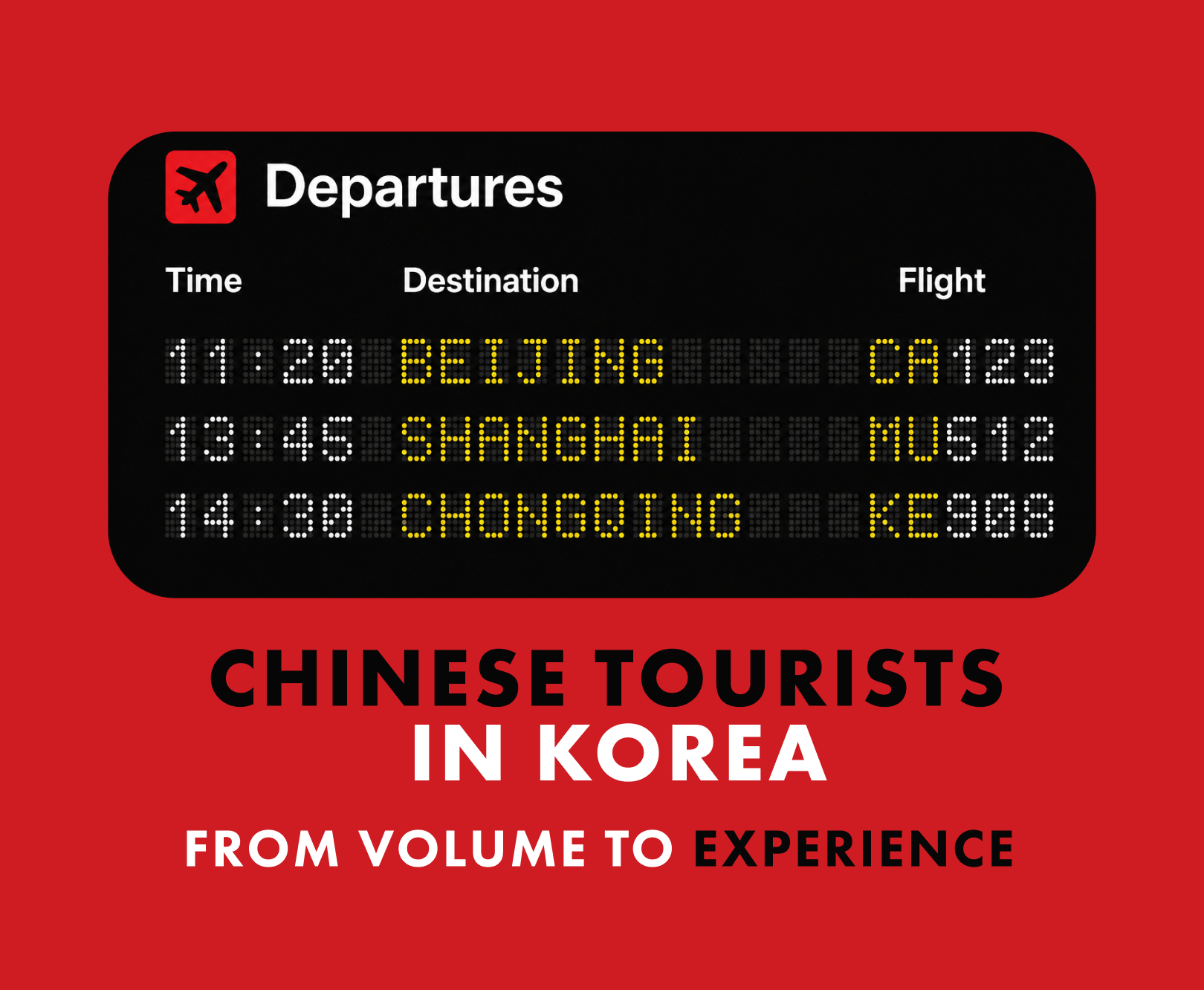
Since early 2026, South Korea is experiencing a powerful rebound in inbound tourism, and Chinese travelers are once again leading the momentum.
In Q1 2026, Korea welcomed 4.76 million international visitors (+23% YoY), with approximately 1.45 million Chinese tourists (+29%), confirming China’s return as the #1 source market. March alone recorded over 2 million arrivals, marking one of the strongest monthly performances in recent years.
Several structural factors explain this sharp rebound:
- Temporary visa-free policy for Chinese group tours (extended until June 2026)
- Return of group travel and cruise tourism
- Continued global appeal of K-culture (music, fashion, beauty)
As a result, we can tell that foot traffic has clearly returned across major shopping districts such as Myeongdong, Apgujeong, and duty-free zones.
A Structural Shift in Luxury Consumption
The Volume vs. Value Disconnect
Despite the strong recovery in visitor numbers, luxury spending has not followed at the same pace.
- Duty-free sales declined –3.8% YoY in February 2026
- Overall sales remain below pre-pandemic levels
So, more tourists, but lower spending per capita.
From Bulk Buyers to Selective Consumers
Before COVID-19, Chinese tourists dominated Korea’s luxury retail landscape:
- Represented ~70% of duty-free sales
- Engaged heavily in bulk purchasing, often for resale (“daigou” model)
What’s Different Today
Chinese tourists now:
- Spend less per trip
- Avoid bulk resale purchases
- Travel more independently
- Combine shopping with lifestyle experiences
The model has shifted from “daigou-driven consumption” → “experience-led purchasing”.
Rising Competition from China
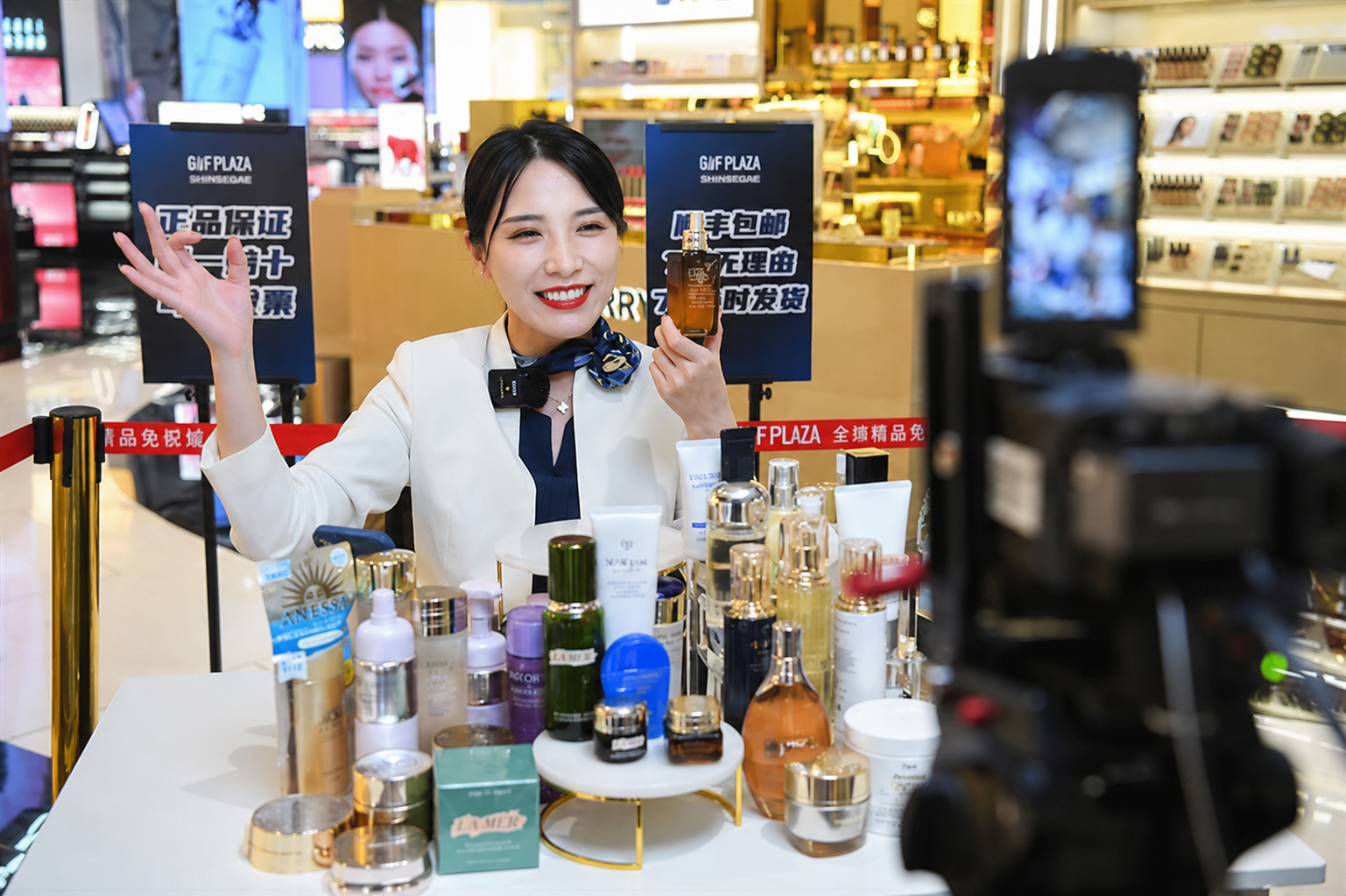
Another key factor reshaping spending behavior is increased domestic competition. China has actively developed its own duty-free ecosystem, notably through Hainan, aiming to retain luxury consumption within its borders.
This new model puts Korea in disadvantage in terms of duty-free shopping.
Korea’s Response: Price and Promotion Strategies
Aggressive Pricing Adjustments
To regain competitiveness, Korean duty-free operators are adapting pricing strategies:
- Adjusting USD pricing via exchange rates
- Offering more competitive positioning vs. Japan and China
Large-Scale Promotional Campaigns
The country is also deploying nationwide campaigns such as:
- Duty-Free FESTA 2026, featuring discounts of up to 60%
These efforts signal a clear objective: re-attract Chinese luxury spending through price incentives
What are Chinese Tourists Buying in 2026?
Declining Categories
- Bulk cosmetics purchases for resale
- High-volume luxury items (bags, watches)
Growing Categories
- Selective luxury pieces (iconic, statement items)
- K-beauty products (still a major driver)
- Experience-driven purchases (pop-ups, flagship stores)
- Fashion influenced by K-culture trends
A New Purchase Journey
The consumer journey has evolved significantly:
Before (Pre-2020):
List → Bulk purchase → Resale
Now (2026):
Inspiration → Experience → Selective purchase
Shopping is no longer transactional since it becomes emotional and experiential.

Strategic Implications for Luxury Brands
Korea Is Becoming an Experience Hub
Korea is no longer just a duty-free shopping destination. It is evolving into:
- A brand experience hub
- A content-driven retail environment
Chinese Tourists Are No Longer the Sole Growth Engine
While still important, Chinese consumers are:
- Less dominant in total revenue contribution
- Complemented by Korean domestic and regional Asian tourists
Winning Strategies in 2026
To succeed in this new landscape, brands should prioritize:
1. Retail Experience
- Flagship stores
- Pop-ups and immersive activations
2. Social & KOL Amplification
- Chinese platforms (WeChat, RED/Xiaohongshu)
- Korean ecosystem (Kakao, Naver)
3. Omnichannel Integration
- Seamless journey from digital inspiration to offline purchase
What no longer works alone:
- Pure discount strategies
- Over-reliance on duty-free channels
Conclusion: A New Era of Chinese Tourism in Korea
In 2026, Chinese tourists have undeniably returned to Korea—but their role has evolved.
The market has shifted from:
A mass luxury buying destination (pre-2020) to an experience-driven, selective luxury consumption market (2026).
These days, the challenge for brands is no longer just to attract traffic but now to convert attention into meaningful, experience-led purchases.
Curious about our services ? Contact us at insight@asiance.com to craft innovative marketing strategies and engaging brand experiences that resonate with your audience!